Thursday, 24 October 2013

Research: Mise en Scene (Setting and Iconography) - Ms Begum

Mise en Scene

Setting and Iconography

What is setting?

- Setting is the location of where a film is being set to make it conventional to the genre it belongs to.
- Setting is important in thriller because it makes the movie more conventional to its genre and creates numbers of different connotations and denotation based on just one location and how it looks.
For example, when a movie is being set in the forest with a house in the middle of nowhere, an old isolated looking house, this would make the audience understand the genre of this movie and have different connotations just by looking at the location. For example, the connotations of the house would be haunted, abandoned, isolated, death, rape etc. This helps to make the audience to have different thoughts and ideas in their mind that this is a thriller movie and expect to see something bad to occurs even though the denotation of it is just an old scary looking house. 

The typical thriller setting are:
- Old & deserted house, the connotations from the audience of this location would be haunted, isolated, ghost, spirit. This helps to creates fear towards the audience and makes them feel uncomfortable. This leads the audience to have ideas of bad things to happen in this location such as spiritual, suicidal etc but denotation wise, it's only an old house.
- Forest, the connotations from the audience of this location would be intimidating, mysterious, patronising, and dangerous. This helps to make the audience to anticipate different ideas of what bad things could happen in this place such as rape and murder etc. This helps to create a chill-excitement towards the audience and makes them feel frightened just by thinking about this location even though the denotation of it is just a dark forest at night time.

Setting and sub-genre

- Setting also dependent on different sub-genre to make the movie more interesting and engage more actions to build up tensions and create sensational/ suspenseful actions.

- Action thriller: the setting would be in the bank, street, underground, air plane & club etc...

- Sci-fi thriller: the setting would be in the lab, space station, factory, military base etc...


- Crime thriller: the setting would be in the street, home, basement, bank, forest etc...


- Psychological thriller: the setting would be in the hospital, church, house, prison etc...


What is iconography?

- Iconography is the objects that cause significant to the scene.
- Iconography is important to thriller because it helps to highlight its genre and make it more conventional to thrillers. Iconography helps to creates many different connotations and denotation in thrillers.
For example, if the antagonist is holding a knife, this would make the audience understand the intentions it creates from the antagonist and the connotations from this would be murder or suicidal. This helps to make the audience to anticipate bad things to occurs within the use of this iconography such as killing, robbing or self harming etc. This helps to creates fear and build up tension towards the audience as they will expect to see something disturbing even though the denotation of it is just a knife.

Iconography in thrillers normally are blood, mirror, weapons, money & scary tree etc. Iconography in thrillers are also mixed with other iconography from different sub-genre to creates more meaning to the movie and makes the movie more enjoyable. For example:
- Knife
- Machete
- Saw
- Smokes
- Guns
- Drugs
- Toys


This is scene from a thriller film called 'Saw'. As we can see this scene is being set in a factory basement, just by the location this already give the audience ideas to suggest the feelings of isolation and that this movie is thriller related and helps to create fear. This also helps to make the audience to anticipate something horrific would occurs and tension is being created. As we can also see the iconography in this scene are blood and make-up, the use of these iconography connotates that the character is being torture or brutally attacked. This makes the audience to feel uncomfortable and sympathy towards the victim due to his horrific injuries and helps to create chill-excitement. This makes the scene look more realistic and engage the audience attentions towards the movie. 

Conclusion

- All the information above has helped me to develop a deeper understanding of how setting and iconography could creates different connotations and denotations towards the audience. The type of setting I'm planning to use are street, underground, or ceremony and the type of inocography are blood, weapons and make-up. I am looking forwards to use as many type of setting and iconography as possible to gain as many marks as necessary.


Tuesday, 22 October 2013

Research: Mise en Scene (Costume, body language and facial expression) - Ms Begum

Mise en Scene

Costume, Body Language and Facial Expression

What is Costume?

- Costume is what the characters wear in the film.
- This should be conventional to the genre.
- This should be easily read by the audience and allows them to interpret the characters and their intentions.
- In thriller films, conventional characters are antagonist, protagonist, the female victim and the child.

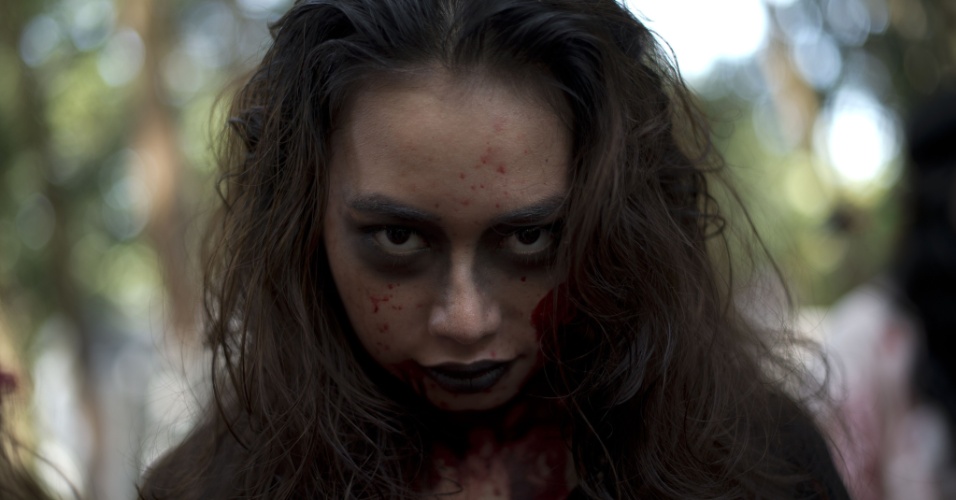
The antagonist usually wear dark colour clothes with a mask purposely to hide their identity and create fear, plus curiosity to the viewers. They often looks serious and carry dangerous weapons to show their intentions in thrillers. They're also hide their identity by having long messy hair with their face covered with face paints. This makes the audience feel patrified and panick when seeing the antagonist face. Steoreotypically, this allows the audience to easily identify this character as the evil character.

The protagonist usually wear nice clothes could be bright or could be dark colour to shows that they're justice and almighty. They often looks kind, smart, confident and also serious in different situations. They also carry weapon and normally in a rescue to show their intentions in thrillers. Stereotypically, this allows the audience to identify them as the hero.

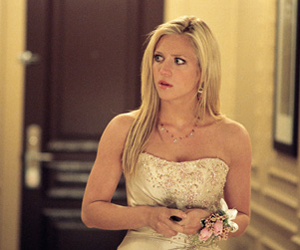
The female victim in thrillers usually looks attractive and girly. Their costume would be white and normally have blonde hair, this makes them look physically weak and vulnerable. Their hair and make-up often looks clean and tidy to attracts the audience and to shows that they are innocent which also shown that they have no dark intentions in thrillers. Stereotypically, this allows the audience to easily identify them as the victim.


The child in thrillers usually looks similar to the female victim. Their costume would be in bright colours to shows that they are clueless and innocent. Also the child might be the evil character in thrillers, their costume would be in bright colour covered with blood or dust, their hair might be messy to creates fear. They often hide weapons under their costume to creates unexpected moment to lead the audience to climax. This allows the viewers to identify them as the victim or villain based on their costumes.

What is Body Language?

- Body language is a character actions, their movements and they way they present themselves.
- The way characters hold themselves or act, will be conventional to the other films of the same genre.
- The body language helps the audience to understand who they are and how they will be presented.

The conventional body language of the antagonist are tall, muscular, confident and strong. This represent them as the evil character, they often look confident, arrogant and looks like they're ready to hunt or commit a crime.  Stereotypically, this is conventional to thriller genre because it makes the audience response by being frightened towards the character because they see them as the villain.

The conventional body language of the female victim or the child are small, girly, innocent and vulnerable. This represent them as the victim, physically weak and always end up in danger. Steoreotypicaally, This is conventional to thriller genre because it makes the audience response by having sympathy towards the character because they see them as the victim.

The conventional body language of the protagonist are also strong, muscular, smart and confident. This represent them as the hero and the saviour. Stereotypically, this is conventional to thriller genre because it makes the audience response by being admire and have faith on the character because they see them as the superior.

What is Facial Expression?

- Facial expression is how the characters emotions are portrayed to the audience. The look on their face and the meaning this creates to the audience.

The conventional facial expressions for the antagonist are serious, scary looking and cold blooded. This represent themselves as the evil character, this helps to create fear from the audience as they will feel uncomfortable and frightened when looking at the antagonist face. Steoreotypically, the audience can easily identify this character as the antagonist.

The conventional facial expressions for the female victim and the child would be innocent, attractive and clueless. This represent themselves as the victim, this helps to create vulnerability and requires sympathy from the audience's. The child could be an evil character, their facial expressions would be screwing, straight looking to creates discomfort towards the audience because they see them as the antagonist. Stereotypically, this allows the audience to identify them as the victim or villain.
The conventional facial expressions for the protagonist are attractive, smart/serious, confident and strong. Steotypically, this represents themselves as the superior, this helps to makes them look more powerful and gain more faith from the audience as they see them as the hero character. This


In thriller films, conventional characters are antagonist, protagonist, the female victim and the child.


This is an opening scene from a thriller film called 'Halloween'. As we can see the female victim is in her school uniform with a pink jumper showing the stereotype of a typical blonde girl. This shows that she's innocent and vulnerable. She looks relax as she's in a safe environment, she is also flirting with her boyfriend in her front room. This makes the audience to not anticipate anything bad to occurs yet as she's secure within her own home. She also look quite small and short showing that she's physically weak and pure. She looks comfortable as she is brushing her hair in her bedroom.
However, as the female notice the antagonist is standing behind her and ready to kill, she started to panic and her body language curls up as she's trying to defend herself. She looks confused and petrified as she's being attacked from the mysterious killer and her facial expression was screwing and suffering from the pains. This makes the audience to feel sympathy towards the female and makes the audience to questions themselves who is the killer behind the mask and are able to see the victim's being attacked from the killer's views.
The killer appears to wear a clown Halloween costume with a mask and holding a knife with blood stain on it. As the killer moves around the house, he looked confident and calm as he know what he's going to do and where he's going. This makes the audience feel curious as their view is limited from the killer's point of view so there's not information being provided to the audience. After killing, his identity is being reveals by his parents and appears that he was an innocent little boy with a emotional-less face showing that he's confuse and unaware of what happened. This makes the audience feel shocked as they've found out the killers identity and wouldn't expect the killer to be a little boy.


Conclusion

- All the informations above has helped me to have a deeper understanding of how costume, body language and facial expression are conventional to thrillers and creates different emotions and connotations. I am planning to use all of these elements in an effective way so the audience could tell the different between each characters, also through body language and facial expression to gain as many marks as necessary.


Monday, 21 October 2013

Research: Mise en Scene (Lighting + Colour) - Ms Begum

Mise en Scene

Lighting and Colour

What is lighting & colour?

- Lighting and Colour can be used to highlight the importance of characters or object within the frame.
- Lighting and Colour is an important convention to thriller because of it helps to convey mood and atmosphere in a scene/film. It can also guide the audience's attention to a particular object, person, emotion or gesture. Lighting can also be used to cast shadows to build tension and suspense.

Angles of lighting

Under lighting: is the light that comes from below the person. This tend to have a distorting effect on the character. In the image, the use of under lighting makes the character appear to look scary as you can see shadows casted on his face and he looks distorted. This will scare the audience.

Top lighting: is the light that comes from above, high lighting the features of a character. Often creates a glamorous look in a character. In the image, the use of top lighting makes the character appear to look mysterious as the we can see that the character is emerging from the shadows. This will make the audience to anticipate bad intentions coming from this character.

Back lighting: the light source is behind the person. If little or no light is used, silhouettes are created. In the image, the use of back lighting makes the characters looks scary and shady as their identity is being hidden and makes them look more powerful as they're those who are standing up and killing the victim.

Type of lighting

Low-key lighting: the lighting is dark with small areas of light, which also creates shadows.

High-key lighting: is the lighting that appears more natural however clearly brighter than natural.

Natural lighting: is when no lighting has been added, it is what you expect to see.
Low-key lighting is conventional to thriller because it helps to creates a dark and dangerous atmosphere where the dark is taking over and the audience can only see a little bit of light. This helps to build up tension, fear and creates suspense and sensational actions in a scene/movie.

Colour in scene

- Colour in scenes have different connotations to them and can give different interpretations of the scene. For example:

Orange: Action-Adventure.


Red: Soft Horror.


Blue: Action Thriller


Green: Sci-fi Thriller


Dark Blue/Black: Horror


Colours that are conventional to thrillers are red, dark blue and black because it helps to make the scene/film look isolated surrounding by the dark atmosphere creating mysterious and evilness. The colours are also have different connotations from the audience to interpretate each colour to represent different objects or emotions in certain ways.


The combination of low-key lighting and back lighting in the first scene when the female victim is being followed helps to create fear and curiosity towards the audience as they can see the victim is frightened and trying to escape from the antagonist. Also they want to finds out who is the antagonist and for what reason is he following the female. This allows the audience to anticipate something bad would occurs and also helps to creates a suspenseful action in this scene. This makes the audience feel sympathy towards the female and question themselves why has he chosen to follow her and curios about his identity.

Conclusion

All the informations above has helped me to have a deeper understanding of how lighting and colour is being used and have different connotations in thrillers. I'm planning to use under lighting and low-key lighting as they are conventional to thrillers for my AS coursework purposely to help me tp gain as many marks as necessary.

Friday, 11 October 2013

Scream Analysis - Ms Begum

Scream Analysis

How is the opening sequence of scream conventional to a thriller opening? 

In this essay, I will analyse the opening scene from a well known film called 'Scream'. I will explain how the opening sequence of 'Scream' is conventional to thriller openings by using the micro-elements editing, sound cinematography and mise en scene. I will identify the meaning of these elements and responses it creates within the viewers. The scene begins with a young teenager at her home alone and ends with her dead body hanging on the big tree opposite her front door where her parents witnesses her death.


The scene opens with a non-diegetic sound when the title appears, the audience can hear a girl screaming and suddenly change into a phone call. This allows the audience to note what type of genre this movie is and engage their attentions to find out about what the movie is about. This scene is set in the female victim's home, through the establishing shot, this reveal the location of her house which was set in the middle of nowhere which highlights it could be a danger atmosphere. This leads the viewers to have an idea of the female victim would not be heard if she's in danger, despite the victim's feeling safe when she's at home. This allows the audience to recognise that she's innocent and vulnerable. As the audience know that she's home alone in a big isolated house, this makes them feel sympathy towards the female victim and expect something bad to occur.


As she received a phone-call, the female victim appears with a very calm and relaxed  in a cream blouse and a pyjama trouser which portrays her pureness and vulnerability and physically weak, plus security within her own home. In addition to this, when the female is being attacked, the use of iconography which is blood contrasted with the white clothing which produce a much more dramatic effect than if her clothes were to be in darker colour. This is also use to creates stereotype. This makes the audience feel content as she's enjoying the conversation and look very comfortable within her own home. During the phone-call at the start, her body language appears to look sloppy and her facial expressions appears to be flirty and smiling. This makes the audience to not anticipate anything to happen to her yet because she's casually enjoying what she's doing which she was planning to have a movie night for herself. Again with her casual body language which she looks very relaxed and comfortable, this helps the audience to easily identify her as the victim.


The female starts to get discomforted and paranoid as her body language starts to curl up and starts hiding when the antagonist said her name without her letting the killer knows. The use of non-diegetic sound here was soft, spooky & eerie. It built up slowing by using drum bass representing her heart beat rising when the killer said 'I like you' to the female. This creates confusion and fear towards the victim and audience. Also the use of parallel sound in here allows the audience to observe the conversation from both sides of the phone-call, mixed with close up shots of the female facial expressions as she was concerned and petrified. The used of iconography here which is a 'home-phone' which means no harmful, suddenly turns into a dangerous objects where her identity is being shown through a phone-call. The female victim seems to be moving around the house looking carefully everywhere, this suggests that she's paranoid and terrified., this leads the audience to have an idea of her being followed and she will end up in danger. While the female was moving around the house, through the use of long shot, this allows the audience to see all the entrance and exits around the house. This helps to creates more fear and excitement as the female character was afraid to get out of the house. This makes the audience feel sympathy towards the female as she will end up being kill even if she's outside of her house.


Initially, the antagonist appears with a white mask and a black cloak which contrast to the female victim's clothes, this represent the sense of 'good vs evil'. This shows that the killer is trying to hide his identity and represent evilness & dark through the black colour and also the blood look invisible in black which makes him more mysterious and scary. This helps the audience to easily identity him as the antagonist and because of his identity is being hidden, this creates fear and excitement towards the viewers as they will be curious to find out about him. The antagonist is being presented as big, tall and holding a knife showing that he's going to kill the female victim. The use of iconography which is the knife makes him look more dangerous and powerful. This makes the audience to anticipate that he's going to commit murder.


As the antagonist enter the house, the use of low key lighting within the scene allows the killer to look invisible and mysterious which creates suspense and excitement towards the viewers as they can hardly see the killer movements. This helps to boost up the audience curiosity and makes them feel excited to find out who the antagonist is & what is he going to do. The lighting also allows the tension to be built up and change the mood in the scene when the characters are in darkness. This helps to create vulnerability and creates fear additionally to the audience as they observe the scene.


Saturday, 21 September 2013

Research: Sounds - Ms Begum

What is sound in films ?


-Sound is one of the most important element when it comes to a film production. Sounds are used to create understanding for the audience and to have more meaning about the character and their emotions. A meaningful soundtrack is often as complicated as the image on the screen and is also used to create a response from the viewers.


There are many different sounds being used in films such as:
- Diegetic sound:
Diegetic sound is the sound which come naturally in the film world e.g. a dialogue, music from a radio or juke box. The sound can either be on or off screen. An example of the most recently famous film 'The Conjuring' here is an evident, the used of this sound in the beginning of the trailer make sense to the ear because its realistic and makes the audience don't expect anything to happen to the victims yet as the characters looks relax and enjoyable and also create naturalism which makes the movie more believable.

- Non-diegetic sound:
Non-diegetic sound is the sound that being created to put on the film world for example a soundtrack, a sound effects or a voice-overs. This scene down here of the well known film 'Paranormal Activity' is an example of non-diegetic sound, the used of this type of sound makes sense to the scene and create understanding towards the viewers. This helps to makes the audience to have a chill-excitement feeling and helps to engage their attention more towards the movie.
- On screen sound:
On screen sound is when the audience can see where the sound is coming from e.g. radio, car or telephone ringtones. This video down here of a famous film 'Dawn of the dead' is an example, the used of this type of sound create naturalism and make the scene more realistic. This helps to make the scene more believable and helps to keep the audience on track to follow the movie all along.


- Off screen sound:
Off screen sound is when you can hear sound but cannot see where it is coming from, but it makes sense to the film world for example a phone call, traffic sounds or coughing. For example this scene down here from the famous film 'Scream' is an evident, the used of this typed of sound makes the audience feels sympathy and have an idea of what's going to happen next to the victim.

- Parallel sound:
Parallel sound is the sound when the sounds in the back ground match with the main sounds for example when the character speak on the phone, the audience still allow to hear the answer from the other side of the conversation. This trailer down here of a mystery-horror film 'One Missed Call'' is an example, the used of parallel sound in this trailer helps to give the viewers an idea of what's the film is about by allowing them to hear what's in the phone and the mysterious story behind it. This helps to engage the audience attentions to watch the movie and find out for themselves.

- Contrapuntal sound:
Contrapuntal sound is when the sound dose not match the expectations of what the audiences viewing for example ‘Jaws 5’. The scenes of the beach are accompanied by the contrapuntal sound of the theme tune 'dur dur' which does not fit in with the happy images. This helps to makes the scene more surprising and makes the audience aware of all the bad things that can happen behind the happy images.

Conclusion:

I have analysed and explained the definitions of all these type of different sounds and the emotion plus expectation it creates. This has helped me to developed a deeper understanding of what sounds can create and the important of sounds in the media industry. I am looking forward to use as many different types of sounds as possible whilst doing my own film production.


Tuesday, 17 September 2013

Research : Cinematography - Ms Begum

What is Cinematography ?

Cinematography:

- Cinematography is the combination of how the way the shot is framed, the angle it is taken in and the movement of the camera.
- All these techniques allow the audience to have a different representation of the character and how the audience response in different ways.
- The way the shot is framed allows the audience to see more or less of the scene and how the character is feeling or what situation they're in. For example, close up shot allow the audience to see the characters feeling through facial expressions.
- The angle the shot is taken allow the audience to see how the character is presented as inferior or superior. For example, taking a shot from high angle which is above the person's head makes the character look vulnerable and inferior. In contrast, taking a show from low angle which is below the person's feet makes the character look powerful, dominant and superior.
- The movement of the camera allow the audience to engage in the action of a scene. For example, the protagonist is being chased by the antagonist, the camera movement would be up and down or across, tilt or palling. This will allow the audience to notice where they are and what situation they're in.

Camera shots and size:

Shot sizes are the different types of camera shots.
There are many different camera shot:
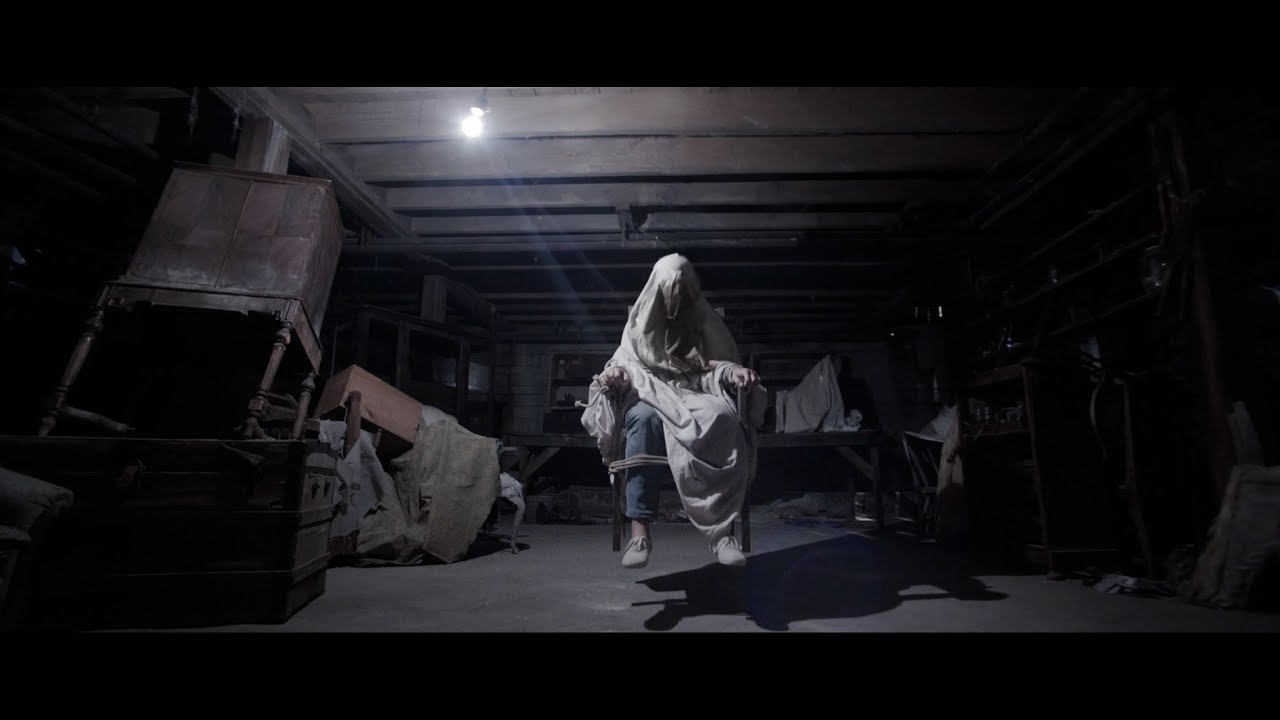
''XLS'' - Extreme long shot is when you can see the character from head to toes and the surrounding. This will allow the audience to notice the characters, what they are doing and where they are. For example this is an extreme long shot of a scene from 'The Conjuring'', Lili Taylor who played 'Carolyn' part was being possessed in the basement with the camera being positioned to capture the scene, this allow the audience to see the surrounding. This leads for the audience to have sympathy towards the character due to what happen in the scene.


''LS'' - Long shot is when you can see the character from head to toes with no surrounding. This will allow the viewers to get an insight of the character's characteristic or features. For example their appearances and their gender. This is a long shot of 'Jason' from 'Friday the 13th', he is presented with long dark clothes & holding a machete. This helps the audience to notes that he's a bad character and leads the audience to have an idea of 'Jason' is going to commit a crime.


''MCU'' - Middle close up shot is when you can see the character from the shoulders and above. This will allow the audience to see the character's facial expressions and some body language. For example this is middle close up of 'Lorraine' from 'The Conjuring' showing the viewers that she's focusing on the mirror through her facial expression. This makes the audience have an idea of her being concerned due to what is going to happen to the character in the movie.


''CU'' - Close up shot is when you can see the character's face only. This will allow the audience to see the character's facial expression whether if they're feeling negative or positive. For example this is a close up shot of 'Lorraine' from 'The Conjuring' showing the viewers that she's looking back and feeling unsafe. This leads the viewers to expect what's going to happen next to 'Lorraine' and also a sign to the audience to prepare for the next scene.


''MS'' - Middle shot is when you can see the character's from their chest and above, quite similar to middle close up shot to show the character's posture, some body language and to show the importance of their characteristic through facial expressions. For example this is a middle shot of 'Lorraine' from 'The Conjuring' showing that her posture was ready to turn but her face expression shows that she's terrified. This helps to makes the audience to have a chill-excitement feeling as they know what to expect in the next scene.


''XCU'' - Extreme close up shot is when the camera is focus in one particular part of the character's body to shows importance and the key moment in thrillers. For example the camera is focusing on the character's eye, and we can justify a number of feelings just by looking at this one particular part. This makes the audience think about how the character's feeling through eye contacts and also helps the audience to reflect due to what happen in the movie.


''ES'' - Establishing shot is when you can see the whole location and mostly used in the beginning of a film, it gives the audience an idea of where the film is being set, for example this is an establishing shot of 'The Amazing Spider-Man', this allow the viewers to notice the location and have an insight of where the scenery of the film is being set. 


Camera Angles:

- Camera angles is where the camera is being positioned to take shots from different angles.

''High Angle'' is when the camera has been positioned above the character. This camera shot makes the character look less powerful and vulnerable towards the audience. The used of this camera angle makes the audience feel sympathy towards the character as they see them as the victim. For example the 'female victim' is being looked down from the camera showing that she's weak and useless.


''Low Angle'' is when the camera is has been positioned underneath the character. This camera shot makes the character look powerful and dominant towards the audience. The used of this camera angle makes the audience afraid or admire the character as they are presented as hero or an antagonist. For example 'Chucky' is being filmed from underneath makes him look extremely dangerous and fearful.


Camera Movement:

There are many different ways the camera can move for example:
- Panning shot is when the camera move across the screen. This video down here is an example of a thriller film called 'Moon In The Gutter', the panning shot showing the victim's body suggest that she has been raped and left dead on the street. This allows the audience to have a closer look at her dead body and feel sympathy towards the female victim. Also makes the question themselves to find out who the murderer is.


- Tilt shot is when the camera moves up and down. The opening of this video down here of a recent thriller film called 'World War Z' from 0:01 - 0:03 is an example. The tilt shot shows the whole scene where there are a lot of traffic in the early morning which suggest the time and location where the scene is being set. This helps the audience to not anticipate anything to happen yet as the scene is looking fine and peacefully where people are casually stuck in traffic in the early morning.


- Crane shot is when you take shots on a crane, it helps to make the camera movement flexible. This video down here of a action-thriller film called 'Taken 2' from 0:03 - 0:06 is an example. The crane shot is used to show the whole mountain scene who's involve in the scene. This allows the audience to note where the film is being set and makes the audience feel content as the scene is looking perfectly normal without any dark intentions.


- Zoom is when you zoom in or out of a scene to take a shot to capture emotions or to get away from it. This video down here of the most famous scene from the first thriller movie ever called 'Psycho' is an example. Zoom is used to show the character whole body from far away to close up to his face. This allows the audience to have a closer look at the character as the zoom shot is showing the viewers all the informations about the character from how he looks like to how he behave as the camera is getting closer. This makes the audience feel uncomfortable as they feel like the antagonist is moving closer and look right at them.


- Point of view shot is when the camera is being film to make it looks like it is from the person's view. The whole opening scene of this thriller film called 'Halloween' is an example. Point of view shot is showing the mysterious character's view as he walk inside the house. This allows the audience to see what the character is seeing and feel more engage as they feel like they're the character in the movie.


- Hand held shot is when the camera moves with the person. This trailer down here from a thriller movie called 'Paranormal Activity' is an example. Hand held shot is showing a real footage of how the viewers reaction whilst watching the movie. This helps to makes the trailer look more effective and makes the viewers who have not seen the movie feel frightened as they can see how other people react towards the movie but also boost up their curiosity to come watch and find out for themselves.


Conclusion:

- All the information above has helped me to have a deeper understanding of how each shot is being taken in different positions and angles. I'm looking forward to use the camera shot/size, camera angle and a few camera movement such as hand held shot, point of view shot, zoom, panning and tilt shot to develop my camera skills and also to use these techniques whilst doing my AS coursework's to gain as many marks as necessary.